Who we are
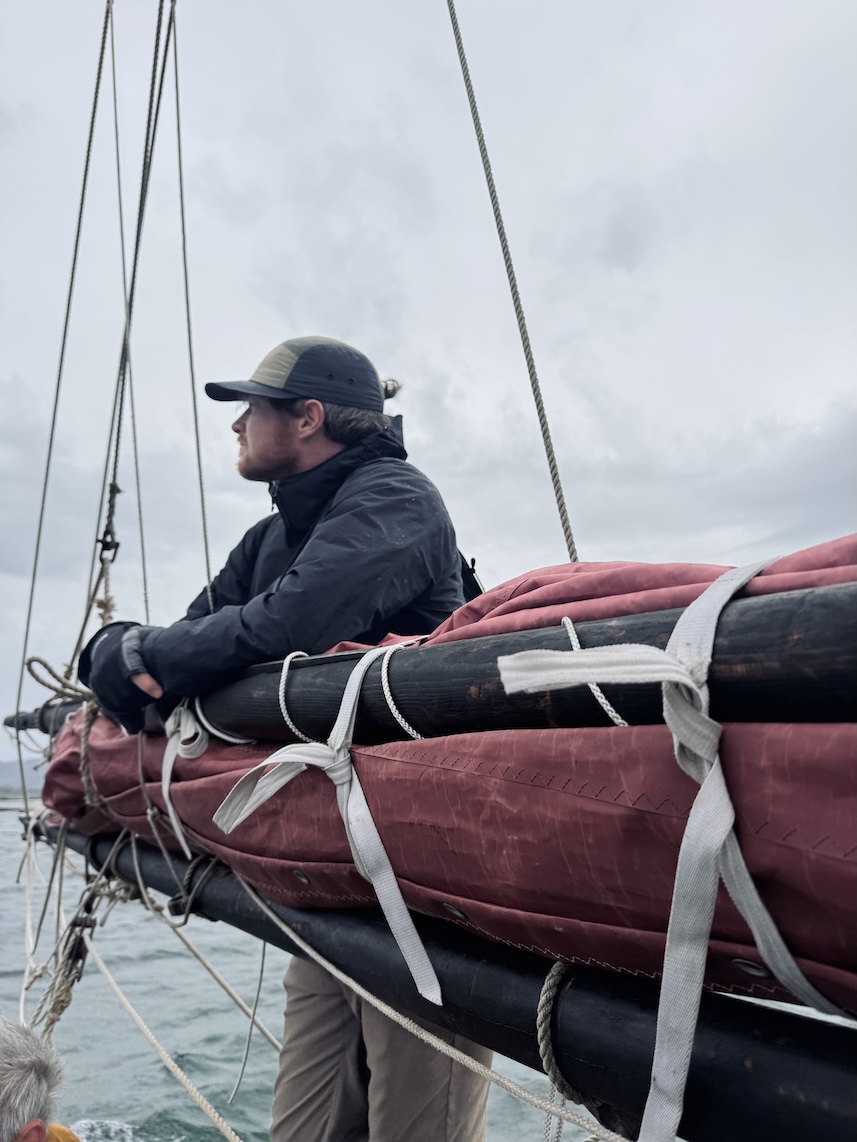
Sean works at the intersection of people and systems — building community infrastructure, and the tools that make environmental data legible at a local scale. He is co-founder of Astraeus Ocean Systems and consults on climate technology and coastal resilience.
He brings a background in grant-writing for REAP Climate Center (workforce development × regenerative farming), sales for PickNik Robotics (scaling the space practice), and hardware prototyping for 3Scan biotechnology.
Community building · strategy · political science & economics · hardware, software & data science
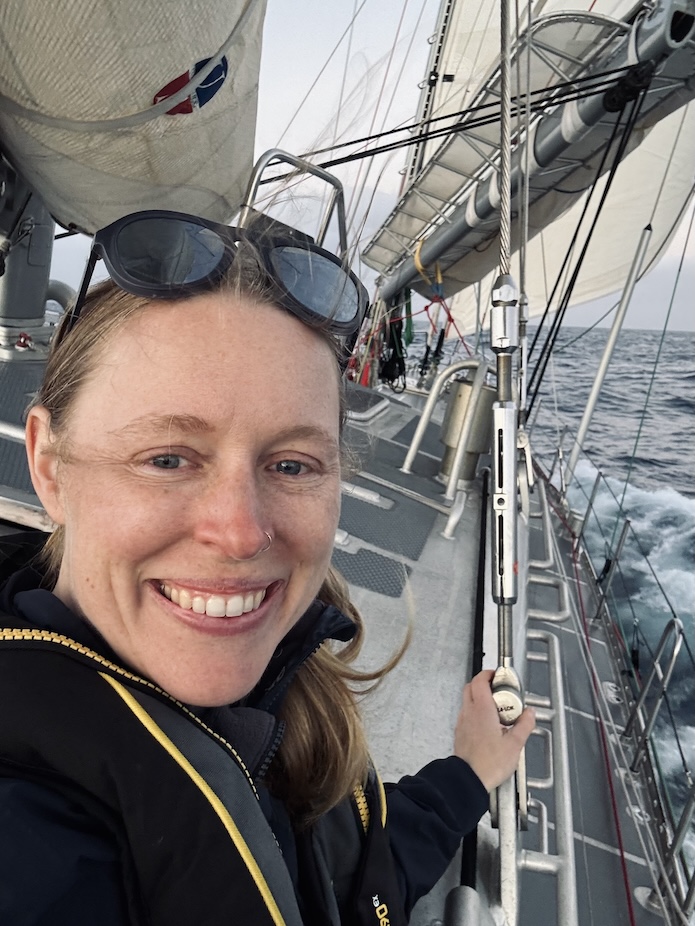
Kate's work spans the full arc from imagination to implementation. As Executive Design Director at IDEO, she led client relationships and guided teams creating new products, services and expeiences to shift complex systems. Rigorous and playful solutions that hold up under pressure and across cultures.
Her interfaces are not only digital — she designs the shape of gatherings, the questions worth asking, and the conditions under which new thinking becomes possible.
Emerging technology · software, interaction & game design · systems design · visual arts · writing
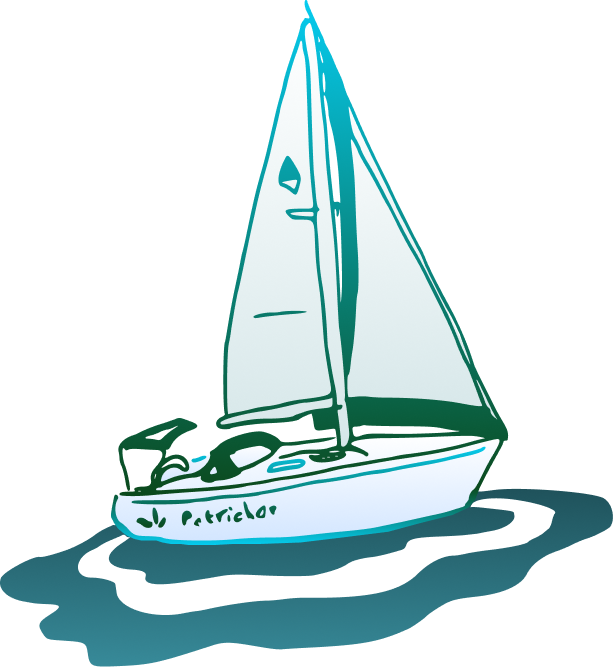
For as long as we've been sailors, we've gathered people on the water. It's where we grow, and where we see most clearly. Together we skipper Petrichor, our Catalina 36, throughout the Salish Sea in the summers. We are Race to Alaska 2024 alumni.
Islands have always drawn us in. They're the places most accessible from a sailor's perspective, and yet among the least advocated for. Sailing from Mexico to Alaska and beyond, we keep finding the same situation: communities making hard tradeoffs between resource extraction and livelihoods, caught between forces that aren't aligned with their long-term interests.
Activists care deeply but often spend their energy advocating against something, rather than building towards an alternative future. Industry isn't inherently bad, but is structured around profit and scale rather than long-term investment in a place. Scientists do rigorous work, but academic timelines keep findings from making a difference when decisions are being made. Local governments and community members — the actual long-term stewards — are well-positioned but under-resourced, pressured by industry, and without the tools to act clearly under that pressure.
We started seeing what we could bring: our backgrounds in Silicon Valley, working on human-centered design and technology problems across industries — health, automotive, farming, space, robotics, and education — and the kind of field instincts you develop making decisions in difficult environments, with incomplete information and real consequences.
All of it points toward one question — how might we strengthen the systems that protect the commons?
Island Lab is how we're finding out.